
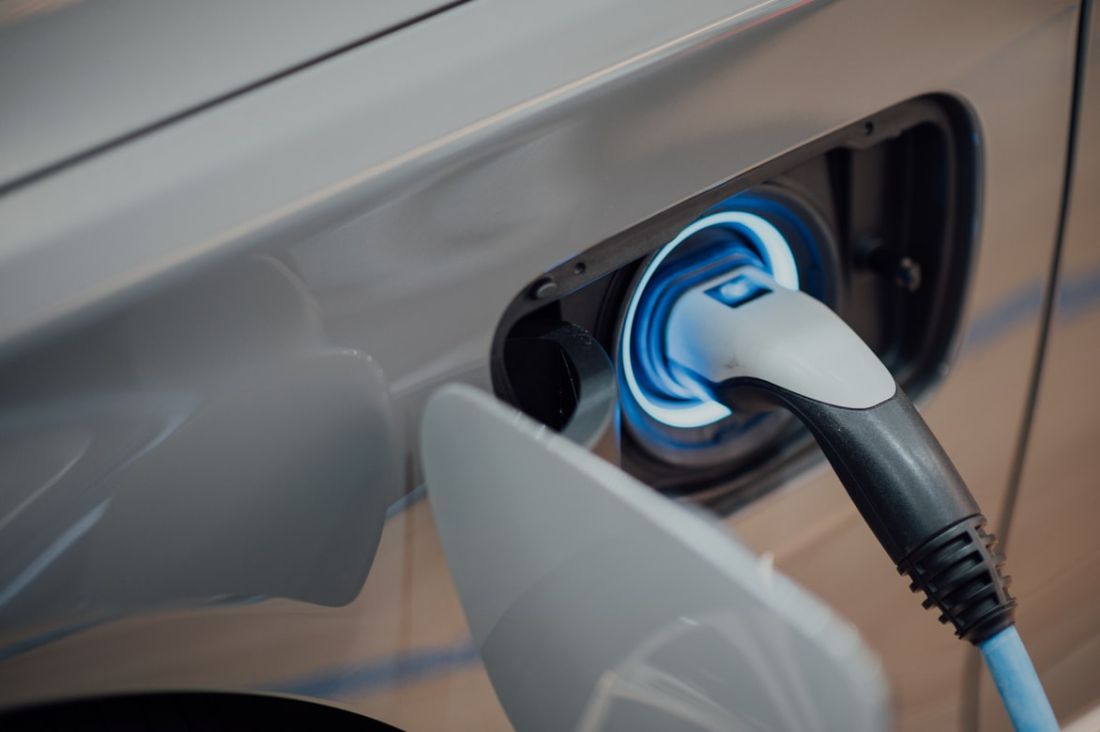
Electric cars have been around for over 20 years now, with Tesla releasing their first completely electric car in 2008. With manufacturers constantly trying to improve range and running costs, the used electric car market is only growing and it could be a great time to invest in one. But what do you have to look out for? We’ll detail the steps to buying a used electric car in our guide below.
1) Check for a full service history
While eclectic cars are made with less components and as a result less is likely to go wrong with them, a full service history ensures the previous owner has cared for the car, but it also means the vehicle should have been treated to the latest software updates and any recall work should have been done.
2) The cars battery size
Typically when it comes to car batteries, the higher the kWh rating, the longer the range. The majority of EV’s that were the first to be manufactured have smaller batteries, so when buying used it’s important to check the battery size, especially if you’re planning on taking some longer journeys.
3) The battery health
For an electric vehicle, the battery is quite literally the nerve centre of the entire car. As with many electronic devices too, the more it is used and charged, the battery life will decrease over time. Having an up to date diagnostics test is essential to see how your battery health is doing. Many dealerships will already have this information but if not, make sure you request one.
4) Is the car's battery leased?
When EV’s were first manufactured and launched there was initially a battery leasing scheme available. This essentially allowed people to buy their car outright but rent out the batteries, to make it a cheaper option. As a result, when buying a used electric vehicle ensure the cost of the battery is included so that you don’t get any extra charges.
5) Where will you charge it
An at home charging point is an essential for anyone who owns an electric vehicle. This means you will need access to a driveway or garage, however this will give you greater convenience and mean you’ll have a less stressful process of scrambling to find a local charging point. You can read more about electric car home charging here.
It’s also important to consider where you’ll be able to charge if you’re planning a long journey, if you live in a flat or you have shared access driveways and garages. With more electric vehicles cruising our streets, electric charge stations are popping up here, there and everywhere, and you can check where your nearest one is using ZapMap.
6) Check the vehicle and battery warranty
As you would expect, most used cars come with standard warranties, however another level of warranty that gets added is for the vehicle's battery. For most manufacturers this lasts until the battery has covered 100,000 miles or after eight years. This mainly covers defects in the battery rather than the decline in the batteries performance over time.
7) Check the brakes, tyres and cables
Many car’s operate on the process of regenerative braking. This essentially turns the car's kinetic energy (friction from the brakes) into electricity in order to charge the battery. As a result, it’s important to take the car for a test driver and ensure it brakes smoothly and that it doesn't veer off to one side or the other.
Also, extra weight from the battery pack means the vehicle is even heavier, so it’s important to check the suspension and tyres as these will wear quicker. Perform a visual check around the car as you would but keep an eye out for any cracked springs or leaking dampers.
Additionally, ensure the charging cables come with the car when purchasing, and that they are compatible.
When buying a used electric car versus one with a combustion engine, there are a few additional factors to consider, and hopefully this advice has been helpful. Electric vehicles are becoming more accessible, as more enter the market and become less expensive as a result. They're also a terrific green option that will be inexpensive to run, qualify for low emissions exemptions, and have less large repair expenditures.