
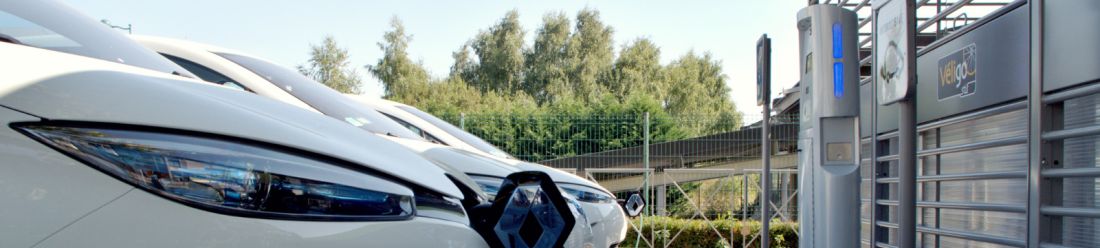
It is a well known fact that electricity and water are not a good combination, so what happens to electric cars in winter, when vehicles have to contend with heavy rain, snow and ice on the roads?
Driving
In electric cars, the battery is located underneath the body of the vehicle which means that they have a lower centre of gravity than petrol and diesel models, giving them better traction. In this way, EVs are better suited to driving through snow. With electric cars generally being heavier than petrol and diesel models however, it is important to be especially careful on ice because if the vehicle skids, it can be more difficult to regain control with the additional weight.
You can find a lot of impressive safety features in modern electric cars which provide support when you are driving in winter weather conditions, such as anti-lock braking and stability control.
Tyres
For better grip, you can attach winter tyres, although you will need to make sure that you use a special type for electric cars. Winter tyres have more grooves to more effectively displace water and provide better traction on slippery surfaces. Electric vehicles require winter tyres with certain specifications because they are heavier and have higher outputs, so they may need tyres with optimal grip and minimal rolling resistance. It is best to check specific requirements with a professional.
Towing
If you see a vehicle stuck in the snow, you may feel obligated to help by towing it out, but this may not be a wise idea with an electric vehicle. Many EVs are capable of towing other cars, but whether they should is another matter. With these cars weighing more than petrol and diesel cars already, the added weight of towing another vehicle could put immense pressure on components like the transmission and brakes.
There are a number of electric cars on the market today which will be able to tow without encountering issues like these, and as technology progresses, it is unlikely to be as much of concern in the future, however, if you are an EV owner currently, it is important to bear in mind what damage towing could do to your car.
Batteries
Another consideration is the effects of cold weather on your vehicle’s battery. EV batteries can be less efficient in low temperatures and require recharging sooner. To reduce the impact of cold weather on your battery, you can try driving at a steady speed to conserve battery life, warming up the car while it is still connected to the charging point before you set off, and using eco-mode if it is available.
Charging
Charging points can also operate less effectively in the cold which means that it will likely take longer to charge the battery in your electric car. Standard charging could take up to two hours longer than usual, so be sure to account for this when you are planning journeys.
If you are looking for a new car to get you through all four seasons, explore our range of used cars in Warrington! The team at RIX Motors can offer professional guidance and information to help you decide if an electric car is the right decision for you.